
Metro Patrol Section
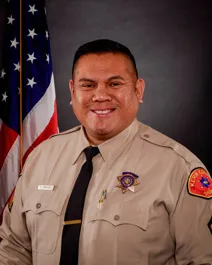
Brian Santiago
Lieutenant
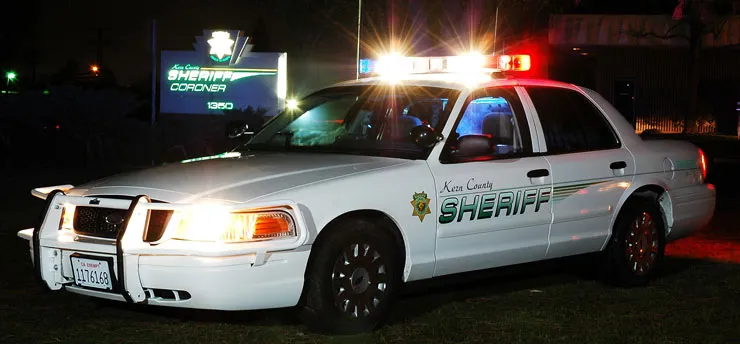
The Metropolitan Patrol Division, commonly referred to as Metro Patrol, is composed of 8 Sergeants, 9 Senior Deputies, 75 Deputies, and 15 civilian support staff. Metro Patrol is responsible for responding to calls for service and patrolling the streets of the metropolitan area. Deputies respond to criminal events, civil matters, and assist other Sheriff’s Office units when requested. In many ways, the men and women of Metro Patrol are the public face of the Kern County Sheriff’s Office, as they are the personnel who interact with community members daily.
To be assigned to Patrol, a deputy must successfully complete a standard one year probationary period and an extensive four month field training program. The dedication and perseverance required of patrol deputies is significant and highly commendable.
Patrol Zones
Metro Patrol is divided into four zones:
- Zone 1 - North
- Zone 2 - East
- Zone 3 - South
- Zone 4 - West
The Sheriff’s Office no longer uses the traditional “beat” system. Each zone contains smaller Emergency Services Zones (ESZs), identified by four digit numbers. These combined zones cover approximately 600 square miles, not including the additional outlying areas served by Sheriff’s substations.
Reserve Deputies
Reserve Deputies are civilian volunteers who have earned their Peace Officer Standards and Training (POST) certifications and donate their time to the Kern County Sheriff’s Office. Most Reserve Deputies have full time employment elsewhere but choose to serve their community as peace officers. The Sheriff’s Office requires Reserve Deputies to volunteer 200 hours of service each year; however, they average approximately 200 hours per month between Metro Patrol and the substations. This totals roughly 2,400 hours annually. The combined volunteer time contributed by Reserve Deputies is equivalent to having two additional full time deputies on staff.
Metro Patrol History
The Metro Patrol Division began evolving in the early 1940s with the assignment of four deputies to night patrol. Two deputies worked from 1700–0100 hours, and two worked from 2100–0500 hours. Deputies worked six days per week, and sometimes seven if needed. During this time, daytime law enforcement responsibilities fell to the “squad room,” which served as a manpower pool that handled investigations and responded to calls when necessary. Squad room deputies were on call from their homes when night patrol was unavailable or required assistance.
This represented a major improvement over the 1920s and 1930s, when there were no patrol deputies at all. During that era, all deputies (except jailers) worked from the squad room. When needed at an incident, a county driver transported the deputy to the scene, waited or returned later, and then brought the deputy back. Drivers were the only county employees permitted to operate vehicles and lived in three houses across from the old jail at 800 Truxtun Avenue.
By 1945, the Sheriff’s Office had four deputies on night patrol. Deputy pay was $160 per month—an average wage at the time, and slightly higher than the $150 per month paid to Bakersfield Police officers. Growth continued, and by 1948 the Patrol Division had 14 deputies. All patrol cars operated with two person units, and the county was divided into just two beats: east and west of Union Avenue (then Highway 99).
Modernization in the 1950s
The 1950s brought significant advancements for the Patrol Division:
- 1950 – Shotgun racks were installed in patrol cars; one of the Office’s two Lieutenants was assigned to night duty; Bakersfield’s population reached 35,000.
- 1951 – Deputy pay increased to $225 per month; patrol cars were upgraded with larger generators to run two radios and a siren; total Sheriff’s Office staffing reached 114 employees.
- 1952 – Disk recording machines were purchased and typists were hired to prepare reports.
- 1953 – Daytime patrol was established.
- 1955 – Sheriff’s Office decals were added to patrol cars.
- 1956 – The first full time Training Officer position was created.
- 1957 – Six fleet vehicles were purchased; deputy pay rose to $372 per month; basic service training was established.
- 1959 – The Sheriff’s Office became one of the first agencies in the nation to establish a canine program. That same year, the Sheriff’s Office moved to the Administration and Court Building at 1415 Truxtun Avenue due to earthquake damage sustained at the previous facility in 1952.
Expansion and Professional Growth
By 1965, the Patrol Division included 30 deputies and 4 patrol sergeants, with 18 deputies partnered with canines. In 1966, the position of Lieutenant Watch Commander was established. Communication with outside agencies—such as warrant checks, registration lookups, and teletypes—typically took two to three days, compared to nearly instantaneous responses today.
Throughout the 1970s, the Sheriff’s Office relied heavily on the Reserve Deputy Program. In 1973 alone, Reserve Deputies donated man hours equivalent to 33 full time deputies. In 1975, the Patrol Division experienced its largest expansion in history, adding 35 deputies and doubling its strength to 70. That same year, Carol Muse became the first female deputy assigned to patrol duties.
By 1992, the Patrol Division had 96 authorized positions, including 74 deputies, 8 senior deputies, and 10 sergeants. This year also marked significant operational changes with the introduction of the Management of Patrol Operations program, which restructured patrol resource allocation to more effectively address crime trends.